Skip to content
Uneven Skin Tone and Texture IN ORLANDO, FL
Family owned • since 2004

Inconsistent Skin Surface Despite Efforts
Uneven skin tone and texture develop when the skin’s surface becomes irregular in both pigmentation and physical structure, creating patches of discoloration, rough areas, enlarged pores, and an overall complexion that reflects light inconsistently. In Central Florida, the outdoor environment is a constant driver of these changes. Residents who spend regular time outdoors along the trails and lakefronts of the Clermont Chain of Lakes accumulate UV exposure that progressively deepens pigment irregularities. People who work in the hospitality and service industries along the US-192 corridor, where outdoor exposure is part of the daily routine, also often find that tone and texture concerns compound over years of working and commuting in the full Florida sun without adequate protective infrastructure in place.
At Evolve Aesthetics, we offer professional skin texture treatments in Orlando, FL, using light-based and resurfacing options that target both pigmentation and structural irregularities that contribute to uneven skin. Most patients see measurable improvement in tone and surface quality within a planned series of sessions.
What Is Uneven Skin Tone and Texture?
Uneven skin tone refers to inconsistent pigment distribution across the face, whether from sun damage, post-inflammatory marks, melasma, or general dullness. Uneven texture refers to physical irregularities in the skin surface, including enlarged pores, rough patches, acne scarring, fine lines, and areas of thickening or thinning. The two conditions frequently coexist because the same factors that disrupt melanin distribution also impair the skin’s structural renewal. Skin-resurfacing treatment addresses both by removing the compromised surface layer and stimulating the production of more uniformly pigmented and structurally sound skin beneath.
What Causes Uneven Skin Tone and Texture?
Multiple factors contribute to surface irregularity:
- UV Exposure and Sun Damage
Chronic sun exposure is the most common cause of uneven skin tone, stimulating uneven melanin production and degrading the collagen responsible for smooth skin texture.
- Post-Inflammatory Hyperpigmentation
Breakouts, minor injuries, and skin trauma leave behind dark marks as part of the healing process, contributing to an inconsistent complexion.
- Slowed Cell Turnover
As cell renewal slows with age, damaged and irregularly pigmented surface cells remain on the skin longer, extending the visibility of tone and texture concerns.
- Enlarged or Congested Pores
Excess sebum, accumulated debris, and loss of the collagen that keeps pore walls taut all contribute to the appearance of enlarged pores and a rough surface texture.
- Prior Acne or Skin Injuries
Healed acne lesions and skin injuries leave behind a combination of structural changes and pigmentation shifts that produce the mixed tone and texture pattern common in acne-prone patients.
- Genetics and Skin Type
Fitzpatrick skin type, oil production tendencies, and individual collagen density all influence how prominently tone and texture irregularities present.
What Are the Signs of Uneven Skin Tone and Texture?
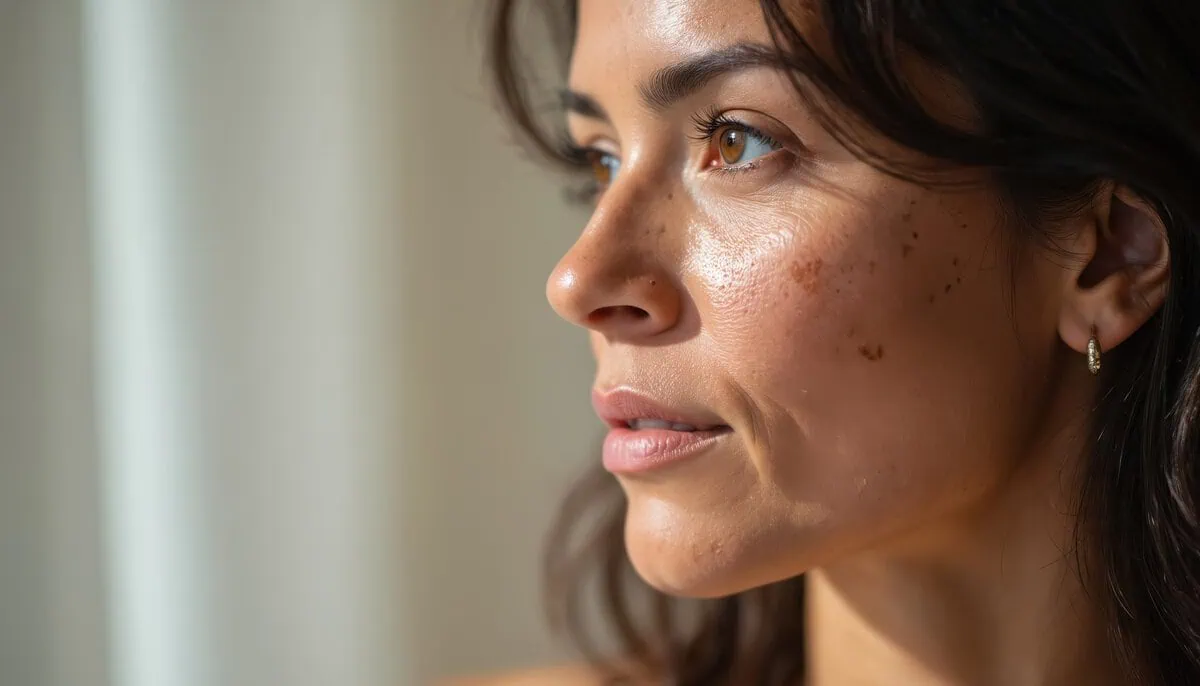
Uneven skin presents with a combination of pigment and structural changes. Common signs include:
Uneven skin tone visible as patches of darker or lighter pigmentation across the cheeks, forehead, or nose
A rough or bumpy surface texture that feels inconsistent on touch and photographs unevenly in light
Enlarged pores, particularly across the nose and central face
Residual dark marks from previous breakouts that have not faded with time
A dull, flat complexion that does not respond to at-home brightening or exfoliating products
Fine lines or early crepiness intermingled with areas of thicker or congested skin
When tone and texture irregularities co-occur and have not responded to topical care, professional treatment addresses both concerns more effectively than single-ingredient home products can.
How Is Uneven Skin Tone and Texture Treated at Evolve Aesthetics?
IPL Photofacial
An IPL photofacial targets melanin deposits and superficial vascular irregularities simultaneously. It improves overall color uniformity across the face. It is particularly effective for patients whose tone irregularity is primarily driven by sun damage, general discoloration, and redness rather than by texture changes.
Chemical Peels
A targeted chemical peel removes the accumulated, irregularly pigmented surface layer and stimulates the production of more uniform skin beneath. Peel formulations are selected based on skin type and the specific combination of tone and texture concerns present.
Microneedling
Microneedling creates controlled micro-channels in the skin surface that stimulate collagen and elastin production and accelerate cell turnover. This is helpful for patients with texture irregularities from prior breakouts, enlarged pores, or early crepiness alongside uneven skin tone.
Frequently Asked Questions
Which treatment is best for both tone and texture concerns together?
The most effective approach depends on which concern is dominant and what is driving it. Patients with primarily pigmentation-related tone issues respond well to IPL or chemical peels. Patients with significant texture irregularity alongside discoloration often benefit from microneedling or a combination approach. Your provider will assess your specific presentation and recommend the most targeted plan at the consultation.
How many sessions are needed to see a visible improvement?
Most patients see measurable improvement in tone and texture within two to four sessions. Surface-level discoloration and mild texture changes typically respond within a shorter series, while more complex presentations involving deep pigmentation or structural texture irregularities require a longer treatment plan. Your provider will outline a realistic timeline at the consultation.
Can sun exposure between sessions reverse results?
Unprotected sun exposure between sessions will slow results and stimulate new pigmentation. Daily broad-spectrum SPF is a non-negotiable part of any tone-and-texture treatment plan, particularly in Central Florida’s high-UV environment. Your provider will include specific sun protection recommendations in your treatment protocol.
Are these treatments safe for all skin tones?
All three treatments are available across a range of skin tones, though protocol adjustments are necessary for deeper Fitzpatrick skin types. IPL settings and chemical peel formulations in particular require careful matching to skin tone to avoid triggering post-inflammatory hyperpigmentation.
Schedule a Consultation at Evolve Aesthetics
Uneven skin tone and texture that has developed over years of sun exposure and impaired cell turnover respond reliably to the right professional treatment plan. Visit Evolve Aesthetics in Orlando, FL, to have your skin assessed and determine which combination of treatments yields the clearest, most consistent results for your skin type and goals.