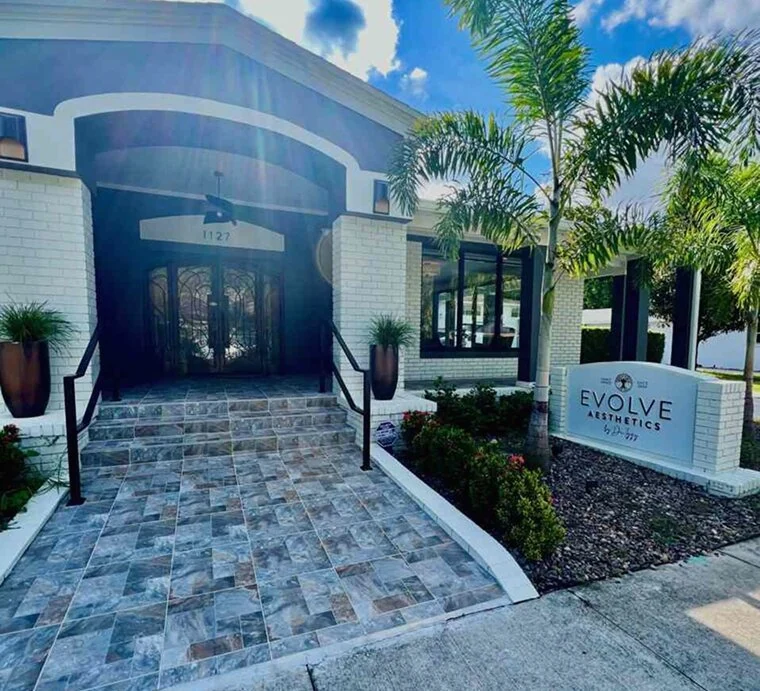
Hormone Imbalance EVOLVE AESTHETICS
Family owned • since 2004

When Rest, Diet, and Exercise Are No Longer Enough
Hormone imbalance occurs when the body’s endocrine system produces hormones in quantities that no longer support optimal physiological function, leading to symptoms across energy, mood, sleep, body composition, libido, and cognitive clarity. In the active professional communities along Longwood and throughout the residential corridors of Seminole County, patients in their late 30s through 60s might describe a multi-year decline in energy and well-being that has not responded to the lifestyle adjustments they have already made. Those working in the Heathrow business district in north Seminole County, where professional demands are high and recovery time is limited, might find that fatigue, brain fog, and mood changes that initially appeared stress-related persist through holidays, vacations, and periods of reduced workload, pointing to a hormonal rather than a lifestyle cause.
At Evolve Aesthetics, we offer physician-guided hormone replacement therapy in Orlando, FL, using individualized protocols based on comprehensive lab evaluation to restore hormonal balance and support improved daily function. Treatment is medically supervised throughout.
What Is Hormone Imbalance?
Hormone imbalance describes a state in which one or more hormones, including estrogen, progesterone, testosterone, thyroid hormones, cortisol, or DHEA, are produced or regulated outside the range that supports the body’s normal function. Bioidentical hormone therapy and conventional hormone replacement options work by restoring these levels to a range that supports symptom resolution and improved physiological function. Because hormonal systems interact, an imbalance in one area often produces effects across multiple body systems simultaneously, which is why symptoms are frequently diverse and do not point obviously to a single cause without laboratory evaluation.
What Causes Hormone Imbalance?
Hormonal dysregulation develops through several overlapping pathways:
- Age-Related Decline
Estrogen and progesterone levels naturally decline during perimenopause and menopause. Testosterone declines steadily in men from the late 20s onward. These changes are universal but vary significantly in their rate and symptom burden.
- Thyroid Dysfunction
Hypothyroidism and hyperthyroidism both produce widespread symptoms affecting energy, weight, temperature regulation, mood, and cardiovascular function.
- Adrenal Fatigue and Cortisol Dysregulation
Prolonged stress chronically elevates cortisol, disrupting sleep, immune function, and sex hormone production over time.
- Insulin Resistance
Impaired insulin sensitivity affects sex hormone-binding globulin levels, altering the availability of estrogen and testosterone and thereby exacerbating other hormonal symptoms.
- Nutritional Deficiencies
Deficiencies in vitamins D and B12, as well as magnesium and zinc, all affect hormone synthesis, receptor sensitivity, and regulatory function.
- Environmental Exposures
Endocrine-disrupting compounds found in plastics, pesticides, and certain personal care products can interfere with hormone receptor activity and synthesis.
What Are the Signs of Hormone Imbalance?
Hormonal changes produce a wide range of symptoms. Common signs include:
Hormone balance treatment becomes relevant when fatigue persists despite adequate sleep and nutrition without an identifiable explanation
Unexplained weight gain, particularly in the abdomen, despite no change in diet or activity
Mood changes, including increased anxiety, irritability, or low mood, that feel disproportionate to circumstances
Reduced libido or changes in sexual function
Sleep disturbances, including difficulty falling or staying asleep, or night sweats
Brain fog, memory lapses, or reduced mental clarity during previously routine cognitive tasks
Hair thinning, skin changes, or changes in body temperature regulation

When multiple symptoms occur together and have not responded to lifestyle adjustments, laboratory evaluation is the most direct way to determine whether a hormonal cause is present.
How Is Hormone Imbalance Treated at Evolve Aesthetics?
Hormone Replacement Therapy
Physician-guided HRT at Evolve Aesthetics begins with comprehensive laboratory testing to establish your current hormonal baseline and identify specific deficiencies or imbalances. Treatment protocols are individualized based on your lab results, symptom profile, and health history.
Testosterone Replacement Therapy
Testosterone replacement therapy for men addresses the gradual decline in testosterone that begins from the late 20s and accelerates through the 40s and 50s. Dosing and delivery are managed under physician supervision with regular monitoring to ensure therapeutic effectiveness and safety.
Frequently Asked Questions
How do I know if my symptoms are hormone-related?
Laboratory testing is the only definitive way to confirm whether hormonal levels are contributing to your symptoms. Many symptoms of hormone imbalance overlap with those of other conditions. A comprehensive blood panel evaluated in the context of your symptom history is the starting point for any treatment plan at Evolve Aesthetics.
How long does it take to feel results from hormone therapy?
Most patients begin to notice improvement in energy, sleep, and mood within four to eight weeks of starting a properly dosed protocol. Full symptom resolution often takes three to six months as hormonal levels stabilize and the body adjusts. Protocols are monitored and adjusted at follow-up appointments based on lab results and symptom response throughout treatment.
Is hormone replacement therapy safe?
The safety profile of hormone replacement depends on the specific hormones used, the delivery method, the dosing, and the patient’s individual health history. At Evolve Aesthetics, all treatment decisions are made by a physician following a comprehensive clinical evaluation. Your provider will discuss the relevant risks and benefits of your specific protocol during the consultation and will monitor your response through regular lab evaluations.
Is HRT only for women going through menopause?
No. Hormone optimization is relevant for both men and women across a wide age range. Men experiencing symptoms of low testosterone, adults of any gender with thyroid dysfunction, and patients with adrenal or cortisol-related imbalances may all be appropriate candidates for physician-guided hormonal support. Candidacy is determined by lab evaluation and clinical assessment rather than age or gender alone.
Schedule a Consultation at Evolve Aesthetics
Persistent symptoms that have not responded to lifestyle adjustments may have a hormonal cause that can be identified through lab evaluation. Visit Evolve Aesthetics in Orlando, FL, to have your hormone levels assessed and determine whether a physician-guided treatment protocol is the appropriate next step for your health and well-being.